
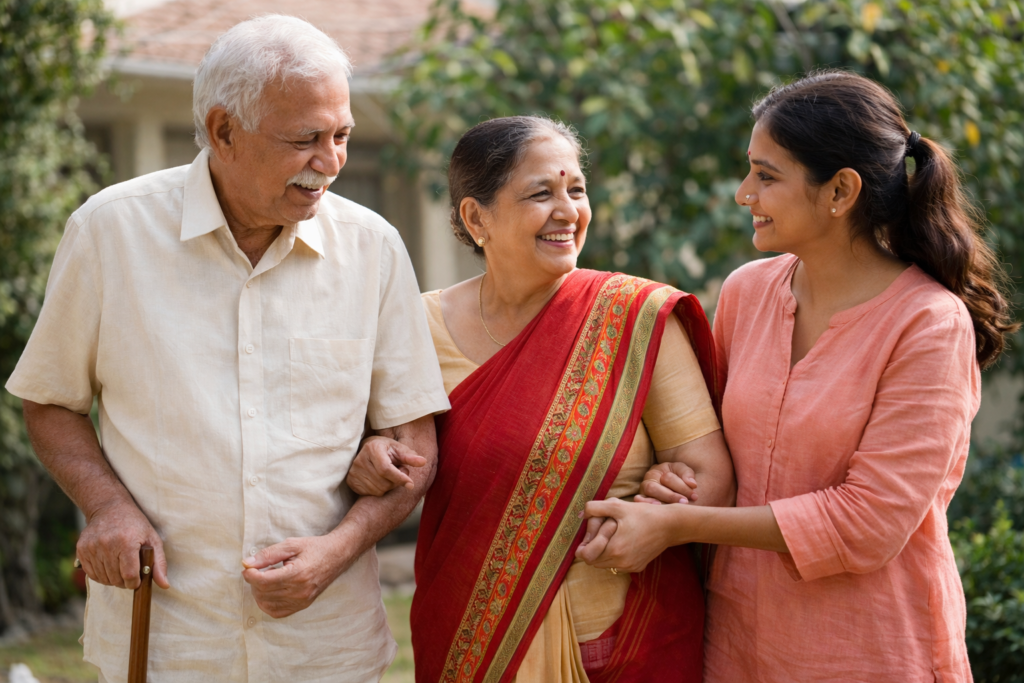
Elder care in India is becoming one of the most important conversations in modern families. As life expectancy increases and lifestyles evolve, caring for ageing parents is no longer as straightforward as it once was.
In the past, joint families made it easier to support elderly members at home. Today, with nuclear families, demanding careers, and geographical distance, many families struggle to provide the level of care their loved ones need.
This guide will help you understand everything about elder care in India—from the types of services available to costs, challenges, and how to make the right decision for your family.
What Is Elder Care?
Elder care refers to the range of services designed to support older adults in their daily lives. It goes beyond medical care and includes physical, emotional, and social well-being.
In the context of elder care in India, this may involve:
- Assistance with daily activities such as bathing, dressing, and eating
- Monitoring health conditions and medications
- Providing companionship and emotional support
- Ensuring safety and mobility
The goal is to help seniors maintain independence while ensuring they are safe and cared for.
Why Elder Care in India Is Becoming Essential
The need for elder care in India is growing rapidly due to several societal changes.
Changing family structures
Joint families are becoming less common. Many elderly parents now live alone or with minimal support.
Urban migration
Children often move to different cities or countries for work, leaving ageing parents behind.
Longer life expectancy
People are living longer, which means they require care for a longer period of time.
Increasing health conditions
Chronic illnesses such as diabetes, hypertension, and mobility issues are more common among seniors.
These factors have made it difficult for families to manage caregiving without additional support.
Types of Elder Care Services in India
There are several types of elder care services in India, each suited to different needs.
1. Home Care Services
Home care is one of the most preferred options because it allows seniors to stay in their own homes.
Services include:
- Help with daily routines
- Medication reminders
- Basic health monitoring
- Companionship
This option is ideal for seniors who value independence but need some level of support.
2. Assisted Living Facilities
Assisted living provides a structured environment where seniors can live comfortably with access to support when needed.
These facilities offer:
- Accommodation and meals
- Social activities
- Assistance with daily tasks
They are suitable for seniors who do not require intensive medical care but benefit from a community setting.
3. Nursing and Medical Care
For seniors with serious health conditions, professional medical care becomes necessary.
This may include:
- Trained nurses
- Post-hospitalisation care
- Chronic disease management
This type of care can be provided at home or in specialised facilities.
4. Day Care Centres for Seniors
Day care centres offer a safe and engaging space where seniors can spend their day.
Benefits include:
- Social interaction
- Structured activities
- Supervision and safety
This is a good option for families who need support during working hours.
5. Companionship and Emotional Support
Loneliness is a major concern among older adults. Companionship services focus on improving emotional well-being.
This includes:
- Conversation and engagement
- Help with hobbies or activities
- Emotional support
Cost of Elder Care in India
The cost of elder care in India varies widely depending on the type of service and level of care required.
Approximate monthly costs:
- Home care: ₹15,000 upto ₹1,00,000+
- Assisted living: ₹25,000 – ₹1,00,000+
- Nursing care: Can start around 5000 and increase depending on needs and depth of care
Factors affecting cost:
- Level of medical attention required
- Duration of care (part-time vs full-time)
- City and location
- Experience and training of caregivers
While cost is an important factor, it is equally important to consider the quality and reliability of care.
How to Know When Your Parents Need Elder Care
Many families are unsure about when to consider professional support. The need for elder care in India often becomes clear through small but important changes.
Here are some signs to watch for:
- Difficulty managing daily activities like cooking or bathing
- Missed medications or confusion about schedules
- Frequent falls or mobility issues
- Noticeable memory problems
- Increased loneliness or withdrawal
- Poor hygiene or neglect of personal care
These signs do not always mean immediate intervention is required, but they indicate that some level of support may be helpful.
Recognising these early can help families take proactive steps instead of waiting for a crisis.
Challenges Families Face in Elder Care
Caring for ageing parents can be emotionally and practically challenging.
Time constraints
Balancing work, personal life, and caregiving can be overwhelming.
Distance
Living far from parents makes it difficult to monitor their well-being regularly.
Lack of awareness
Many families are unsure about available care options.
Emotional stress
Feelings of guilt, worry, and responsibility can take a toll.
These challenges highlight why elder care in India is evolving into a more structured and professional industry.
How to Choose the Right Elder Care in India
Selecting the right care option requires careful evaluation.
Understand your loved one’s needs
Start by assessing whether they need medical care, daily assistance, or companionship.
Check caregiver quality
Ensure caregivers are trained, experienced, and empathetic.
Look for flexibility
Care needs may change over time. Choose services that can adapt.
Prioritise communication
Regular updates and transparency are essential.
Trust and reliability
Choose providers with a strong reputation and consistent service.
Organizations like Jeevin Senior Care focus on delivering dependable and personalised care solutions that support both seniors and their families.
The Future of Elder Care in India
The future of elder care in India is expected to see significant growth and transformation.
Key trends include:
- Increased demand for home-based care
- Greater use of technology in monitoring health
- More trained professionals entering the field
- Rising awareness among families
Elder care is gradually becoming more organised, making it easier for families to access reliable support.
Benefits of Professional Elder Care Services in India
Choosing professional elder care in India can make a significant difference in both the senior’s life and the family’s peace of mind.
Some key benefits include:
Better quality of life
Seniors receive consistent care, attention, and support tailored to their needs.
Safety and supervision
Reduced risk of accidents, missed medications, or unattended emergencies.
Emotional well-being
Regular interaction and companionship help reduce loneliness and anxiety.
Relief for families
Families can focus on their responsibilities without constant worry.
Structured and reliable care
Professional services ensure consistency, which is often difficult to maintain on your own.
Conclusion
Elder care in India is no longer just a family responsibility—it is becoming a shared effort between families and professional care providers.
As lifestyles continue to change, understanding the available options can help families make informed and confident decisions.
At its core, elder care is about dignity, comfort, and ensuring that our loved ones receive the care and attention they deserve.
Frequently Asked Questions About Elder Care in India
What is the best type of elder care in India?
The best type of elder care in India depends on the individual’s needs. Home care is ideal for those who prefer staying at home, while assisted living or nursing care may be better for those requiring more structured support.
How much does elder care cost in India?
The cost of elder care in India can range from ₹15,000 to ₹1,00,000 per month depending on the type of service, level of care, and location.
When should families consider elder care services?
Families should consider elder care in India when seniors begin facing difficulty with daily activities, health management, or experience loneliness and safety concerns.
Is home care better than assisted living?
Both options have their benefits. Home care offers familiarity and comfort, while assisted living provides a more social and structured environment.
If you’re exploring the best ways to support your ageing parents, finding the right care can make all the difference. You can explore a range of trusted senior care solutions through Jeevin Senior Care and take the first step toward better care and peace of mind.
Join the Conversation
To leave a comment, please log in to your account or create a new account.
Your email address will not be published. Required fields are marked *