
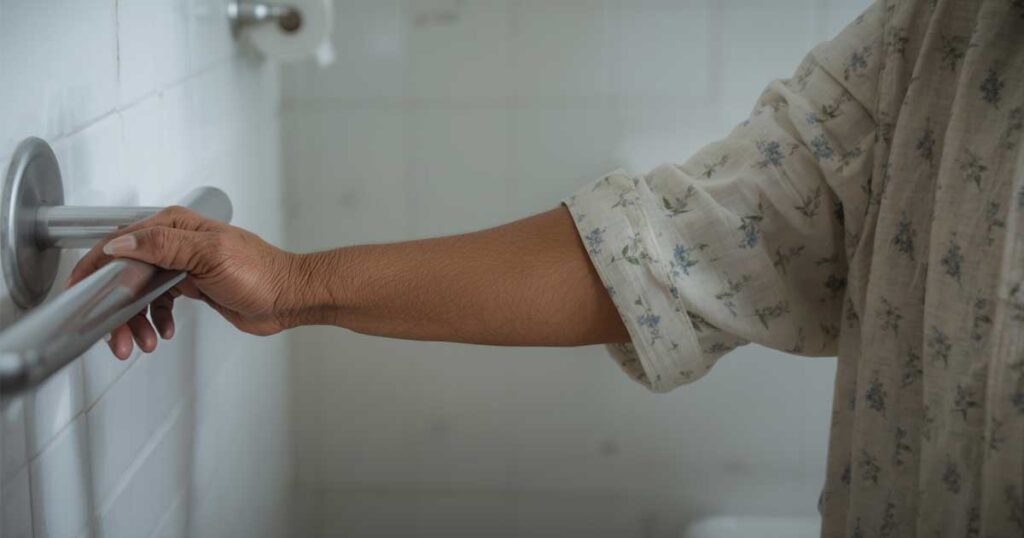
In every Indian home, there’s a corner where Dadi’s laughter still echoes, or Nana’s stories gently linger. Our elders aren’t just family they are our roots, our moral compass, the people who once carried us through the storms of life with quiet strength. Now, as they age, it’s our turn to walk beside them, to make sure every step they take, every corner they turn, every room they enter… is wrapped in care.
But aging brings change, physically, emotionally, and mentally. While they may never say it out loud, everyday activities can become mountains. Traditional Indian homes, while culturally rich, often hide silent hazards: slippery floors, high thresholds, dim lighting, and inaccessible spaces. The very homes that hold our memories can unknowingly hold hidden dangers for aging parents and grandparents. The good news? With a few thoughtful, cost-effective changes, we can transform these familiar spaces into safe, dignified sanctuaries for our seniors.
Why Senior-Friendly Home Modifications Matter?
However, a fall, a missed step, or an inaccessible bathroom can turn everyday activities into life-threatening events. can mean the difference between dependence and independence, injury and dignity.
In India, most seniors choose to age in place, surrounded by familiar walls, memories, and rituals. Assisted living may work for some depending upon their preferences, but for most, home is where they feel whole. However, a fall, a missed step, or an inaccessible bathroom can turn everyday activities into life-threatening events. Small strategic modifications can mean the difference between dependence and independence, injury and dignity.
These are whispers that say: “You’re safe. You’re seen. You’re not alone.”
Entryways
Remember how they used to wait at the door for you?
Let’s make that door welcoming for them too.
- Non-slip welcome mats: Ditch the decorative rugs; choose anti-skid.
- Gentle ramps with railings: A small slope today can prevent a fall tomorrow.
- Lever handles over knobs: For arthritic hands, every twist hurts. A simple push works better.
- Peephole or video doorbell: Gives them the power to decide who enters.
Bedrooms
Their bedroom isn’t just where they sleep. It’s where they whisper morning prayers, fold sweaters, and sometimes sit alone, thinking of us.
- Bed at knee height: Not too high, not too low just right to ease for tired knees.
- Sensor night lights: No more fumbling in the dark.
- Switches within arm’s reach: They shouldn’t have to stretch or struggle.
- Grab bar beside the bed: A silent supporter in the still of night.
Bathrooms
If there’s one place every Indian elder fear slipping, it’s here. But with small, smart changes, we can give them back confidence.
- Anti-skid tiles or coating: Tile beauty is no good if it causes a fracture.
- Grab bars in stainless steel: Strong, stable, and a literal lifesaver.
- Western toilet with riser: Say goodbye to squatting struggles.
- Foldable shower chair + handheld shower: Bathing shouldn’t feel like a risk.
- Temperature-controlled geysers: No more scalds from accidental overheats.
Kitchens
Many Indian elders still insist on cooking even if it’s just chai, dal, or something for the grandkids.
- Lowered shelves and pull-out drawers: Because every inch of bending can be painful.
- Stove knob guards and auto gas shut-off: Prevent forgetful accidents.
- Good ventilation: To prevent dizziness and suffocation.
Living Rooms
This is where they sit. Where they tell stories. Where they wait for you to come home.
- Chairs with armrests: So, they can rise without struggle.
- Wires? Hidden. Corners? Cushioned. Paths should feel like open arms.
- Raise switchboards: Reduce the need to bend or strain.
Stairs
Stairs can be silent enemies. But they don’t have to be.
- Dual handrails: Both sides, always.
- Anti-slip treads: Rubber or textured strips in contrasting colours.
- Bright lighting: To reduce shadows that fool aging eyes.
Light That Listens and Leads
- Motion-sensor lights: Especially in hallways and bathrooms.
- Warm LED bulbs: Not glaring, just glowing easier on the eyes.
- Curtains that cut glare: Sheer fabrics can confuse depth perception.
Emergency Tools
- Neck or wrist SOS buttons
- Speed dial for family, doctor, neighbour
- Intercom or Alexa in Hindi
- CCTV with mobile alerts for family abroad
Sacred Corners and Familiar Comforts
- Pooja spaces on raised benches
- Chairs with backrests instead of floor seating
- Avoid “chaukhat” steps inside rooms
Bonus Sections, Reimagined with Emotion & Utility:
Cognitive Clarity (for dementia & memory loss)
- Labels in Hindi or mother tongue.
- Color-coded doors.
- Auto-locking gas stoves.
- Visual cues for toilets/kitchens.
Even in low-tech homes:
- Alexa-controlled lights in regional language.
- Voice reminders for medication.
- Remote curtain controls.
Health Helpers
- Pill boxes with alarms
- Footrests for varicose veins
- Shelves at eye level for essentials
Hygiene and Infection Control
- Touchless taps or soap
- Separate, colour-coded slippers
- Sanitizer tray at entry
The Final Checklist For A Home That Hugs
| Area | Must-Haves |
| Entryway | Ramp, lever handle, video bell |
| Bedroom | Bed rail, night light, decluttered path |
| Bathroom | Grab bars, anti-slip mat, chair, geyser control |
| Kitchen | Auto shut-off, lower shelves, ventilation |
| Living Area | Armchairs, hidden cords, photo corners |
| Staircase | Dual railings, step contrast, lighting |
| Lighting | Warm LEDs, sensors, glare-reducing curtains |
| Emergency | SOS device, intercom, family speed dial |
Conclusion
In Indian culture, caring for our elders is a sacred duty, an act of love, not obligation. Home modifications are more than functional changes; they are expressions of compassion, honouring the people who once cared for us.
These simple steps not only safeguard their physical well-being but also nourish their emotional and spiritual health. Because every elder deserves to age with dignity, safety, and grace in the comfort of their own home. These modifications are more than tools because in every home where an elder feels safe, a lifetime of care has come full circle.
Join the Conversation
To leave a comment, please log in to your account or create a new account.
Your email address will not be published. Required fields are marked *