
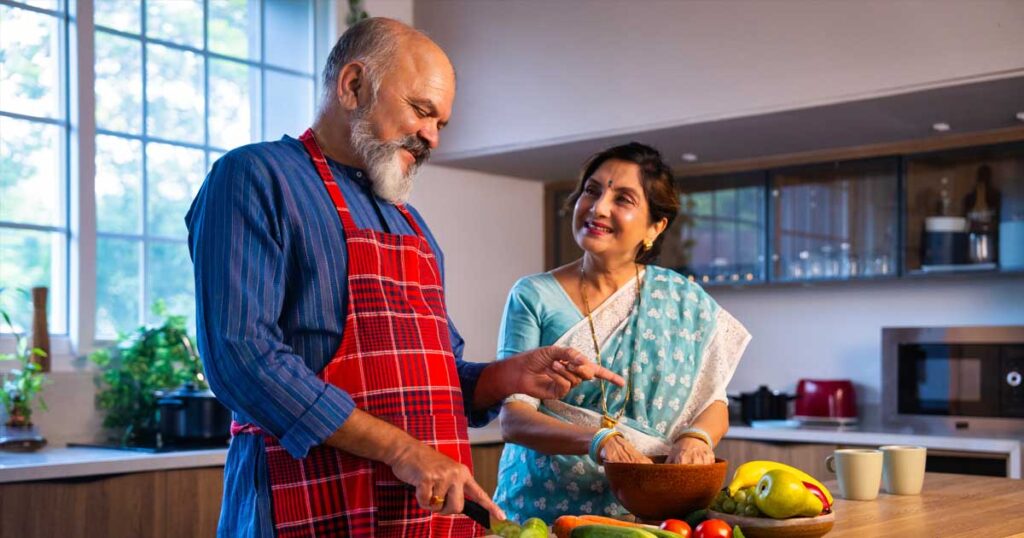
As our parents age, their needs shift, not just emotionally and physically, but nutritionally too. Watching someone who once cared for us now grow older can be harsh, We want to help, but sometimes we don’t know where to start. One of the most powerful and tender ways we can show love is through their plate. Because what’s on it can mean the difference between frailty and strength, between fatigue and vitality.
This isn’t just about food. It’s about the simple joy of feeling good in one’s own body again. Imagine your mom or your dad having their favourites at the age of 60 but still being healthy and confident?
Why Senior Nutrition Matters
Aging changes everything, from physical health to body needs. Metabolism slows, digestion weakens, muscles shrink, and chronic illnesses become more common. Despite eating less, seniors need more nutrients per bite. Unfortunately, many elderly adults suffer from hidden malnutrition, even if they don’t look underweight.
Poor senior nutrition can lead to:
- Falls
- Weakened immunity
- Memory and cognitive decline
- Brittle bones
- Heart disease and diabetes
But with the right choices, nutrition can become their Armor and their comfort.
The Core Principles of Senior Nutrition
Think of senior nutrition like baking a cake from scratch you want it to be strong, balanced, and suited for the one who’ll enjoy it most. Just as you wouldn’t toss in random ingredients and expect a perfect cake, the same goes for nourishing the body in the golden years.
1. Choosing Quality Ingredients
When baking a cake, you pick the best flour, real vanilla, fresh eggs not fillers.
Similarly, seniors need less food, but richer in nutrients.
Instead of empty calories, every bite should “count” with vitamins, fiber, and minerals.
Like how you’d add walnuts or berries to your batter for taste and value, seniors benefit from foods like leafy greens, lentils, eggs, berries, and nuts.
2. Focus on Digestibility
You don’t serve a cake raw or too dense, it needs to be mixed gently and baked just right to be soft and easy to enjoy.
Seniors often struggle with chewing or digestion, so food should be gentle on the stomach.
Think of lightly steaming, boiling, or pressure-cooking like the slow bake that turns batter into a soft, warm cake.
3. Balanced Recipe
A great cake isn’t just sweet, it’s balanced with flour, fat, eggs, and sugar in harmony.
Seniors need meals that balance complex carbs, proteins, and fiber, which help avoid “sugar highs” and crashes.
Think of it like using whole wheat flour instead of refined sugar, energy that lasts.
4. Hydration is Part of Nutrition
Forget to add milk or water? The cake turns out dry.
Just like that, senior bodies need water, even when they don’t feel thirsty.
Add herbal teas, soups, or coconut water, like you’d moisten a cake with syrup or cream to keep the body soft and hydrated.
Just like a great cake, senior nutrition is about care, balance, and love in every ingredient.
The Ideal Plate (A Senior-Friendly Thali)
Imagine your parent’s plate as a story of care. Here’s how it looks:
1. Protein (25–30%)
Essential for healing, muscle strength, and immunity.
Foods- Eggs, curd, paneer, dals, fish, sprouts, nut butters
2. Vegetables & Fruits (35–40%)
Nature’s multivitamin. Rich in fiber, hydration, and antioxidants.
Foods- Cooked spinach, carrots, beetroot, papaya, apples (peeled), bananas
Note* Limit high-sugar fruits for diabetics*
3. Whole Grains & Complex Carbs (20–25%)
Fuel with fiber and slow-burning energy.
Foods- Multigrain rotis, oats, poha, millets, brown rice
Note*Portion control for diabetics*
4. Healthy Fats (10%)
Support for brain, hormones, and vitamin absorption.
Foods- Ghee (in moderation), cold-pressed oils, seeds, nuts
Note*Avoid reheated oils and trans fats*
5. Calcium & Vitamin D
For strong bones and less risk of falls.
Foods- Curd, paneer, ragi, broccoli, sunlight exposure
6. Iron & B12
To avoid tiredness and low blood.
Foods- Spinach, rajma, dates
7. Fiber
Keeps digestion smooth, blood sugar stable.
Foods- Fruits with skin, whole grains, vegetables
8. Hydration
Silently essential.
Foods- Buttermilk, soups, herbal teas, kanji
Note*Avoid excess caffeine and sugary drinks*
Foods to Limit for Elderly
| Avoid These | Because… |
| Pickles, papad, bakery items | High in salt, strain the heart |
| Sugary drinks, desserts | Blood sugar spikes, inflammation |
| Deep-fried snacks | Hard to digest, low in nutrition |
| Raw produce | May cause food-borne illness |
Eating Habits That Make All the Difference
- Eat smaller meals, more often
- Keep food warm, mildly spiced
- Avoid distractions while eating to prevent choking
- Sync meal times with medications
- Reduce salt, enhance flavour naturally with lemon, jeera, hing, herbs
Conclusion
Senior nutrition is not just a plate full of food. It’s a quiet act of love. It’s about giving our parents the strength to stand, the clarity to think, and the comfort to smile again at the simple joy of a home-cooked meal. They’ve nourished us our whole lives. Now, it’s our turn.
Let every plate you prepare whisper: “I care. I see you. And I’ll make sure you get the best”
Join the Conversation
To leave a comment, please log in to your account or create a new account.
Your email address will not be published. Required fields are marked *